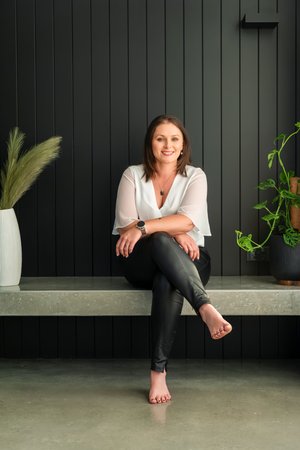
Designing Raeburn: The Design Thinking Behind my own Home
“Raeburn is the clearest expression of how I design: a home where building design, interiors, joinery and everyday living were considered together from the beginning.”
Creating Our Home
Designing your own home is a very different experience to designing for a client.
There are no clear boundaries at the beginning - only possibilities. And when you understand the many directions a project could take, choosing the right one can actually be the most difficult part.
Our home began as a 1970’s brick veneer house with three bedrooms, one bathroom, and small, poorly proportioned living spaces. As our children grew, the house no longer supported the way our family lived.
The original plan was modest: a small master suite extension and renovations to the existing kitchen, bathroom and laundry.
But once we began analysing the site, layout and budget more carefully, it became clear that a different strategy would create a better long-term outcome.
Instead of a series of small upgrades, the house was thoughtfully reconfigured and extended to create a home that works for our family now and well into the future.
Reworking the Existing House
Rather than replacing the home, the design focused on working with what already existed.
The original lounge room was transformed into a master suite with bedroom, ensuite and walk-in robe. The former kitchen and dining area became the Tahleah Hoyle Design studio and office. This created a ‘public’ zone, allowing clients to visit the studio without entering the private areas of the home.
One of the intentions behind locating the studio here was to create a welcoming space where clients feel comfortable visiting, often with partners or children. Designing a home is rarely a quick meeting or a transactional process. It involves conversations, ideas, samples spread across the table and time spent thinking carefully about decisions. Having the studio integrated into our home allows that process to feel relaxed and natural, rather than like attending a formal appointment.
The children's bedrooms remain in the original wing of the house, giving them their own space and independence as they grow older. A new extension now contains the kitchen, dining and living areas, along with a new entry and conservatory / multi-use space.
The result is a home that feels balanced and appropriately sized for the block and lifestyle - not oversized by modern standards, but with a sense of space where it matters most.
Organising the home into clear zones also helped the house function better day to day. The studio and entry sit toward the front of the home, the bedrooms remain tucked away, and the new living areas extend toward the garden and the North. This separation allows the house to feel both connected and private at the same time - supporting family life, work and quiet spaces without each competing with the other.
A Sensitive Extension
One of the most important design goals was ensuring the extension felt like it belonged to the original house.
Rather than creating a large architectural statement, the extension continues the scale and character of the existing home.
Tasmanian oak trims and detailing were carried through the project, helping tie the new and old parts of the house together.
The influence of Australian farmhouse design is present in the patios, weatherboard cladding and the many spaces designed simply to sit, enjoy the garden and spend time with family and friends.
The intention was always for the house to feel calm, practical and timeless - a home that feels lived in rather than ostentatious.
Keeping the Structure Simple
A guiding principle throughout the project was: Keep the structure simple and invest in the details.
Complex structure can absorb a significant portion of a building budget without improving the experience of living in the home.
By keeping the rooflines simple and the structural layout efficient, the project budget could instead be directed toward durable materials, thoughtful joinery and high-quality finishes.
These are the elements that truly shape how a home feels over time.
Designing for the Site
Before any design work began, the site was carefully observed over the course of a year.
This helped us understand how the sun moved across the property, where shade fell during summer, and how the winds moved through the landscape.
The home was then designed to:
• capture winter sunlight
• provide shaded outdoor spaces in summer
• enable natural cross ventilation
• respond to the prevailing north-west winds
Outdoor spaces are positioned around the house to provide comfortable places to sit throughout the day and across Tasmania’s ever-changing weather conditions.
A Healthy Home
Performance and health were important considerations.
Improving the internal environment of the house was a priority for allergies and asthma.
Old carpets were removed and replaced with engineered blackbutt timber flooring. Ventilation pathways were designed to allow air to move naturally through the house, and breathable or natural materials were used often.
The result is a home that feels noticeably healthier and easier to maintain. During the summer, the house requires little or no mechanical cooling - natural airflow, considered shading and insulation do most of the work.
A warm, earthy material palette creates a feeling of well-being. The home supports our mental health, as much as it does our physical, with connection to green spaces and a sense of calm.
Material Choices
Material selections focused on durability, natural textures and long-term performance.
Tasmanian oak continues throughout the house in trims and feature joinery elements. Existing timber we already owned was used to create feature doors and a bench in the conservatory.
The conservatory floor is limestone, while the kitchen features a bold, granite benchtop - the project’s largest investment. Granite was chosen because it is incredibly durable, resistant to staining and capable of lasting for decades. This was an investment piece.
The joinery throughout the house uses Polytec finishes that compliment our natural timbers, while linen blend curtains from ZAB-Launceston, add softness and texture to the spaces.
Custom colours were developed with Haymes Paint, and limewash finishes were used in the conservatory to create depth and character.
Living With the House
Perhaps the most satisfying part of the project has been simply living in the home.
The house feels calm and comfortable, with natural light moving through the spaces throughout the day and garden views visible from each room.
The connection to the landscape was an important part of the design. The house sits comfortably within the site rather than dominating it.
Four patios were created around the home so there is always somewhere to sit depending on the weather and time of day. And windows are well shaded from the summer heat.
A small north-facing patio off the kitchen has become a favourite spot - perfect for morning coffee while the sun dances across the benchtops.
Thoughtful Details
Many of the most important design decisions are not immediately visible.
Doorways were specified as 920mm wide, to allow for future accessibility. Wall bracing was incorporated in the bathroom walls, so grab rails could easily be installed if needed later in life. A bench seat in the shower and an almost level path of travel from the rear of the home, ensures we are able to remain in our home with minimal adjustments as we age in place.
Lighting was carefully layered with dimmers, recessed fixtures and feature LED strip, to create calm evening environments and to allow a reset from the days’ overwhelm.
Storage was designed intentionally and thoughtfully - custom joinery,concealed cupboards and integrated storage solutions help keep everyday life organised and clutter-free. When everyday items have a place to live, spaces remain clear, functional and easy to maintain. Rather than adding cupboards later, storage was considered from the beginning as part of the architecture of the house.
These small details support the way the house functions and will continue to support us as we move through life’s seasons.
They are also the kinds of decisions that shape the success of every project I design with my clients.
A Home Designed for Real Life
Designing this home reinforced a belief that guides all of my projects.
Good design doesn’t begin with what something should look like.
It begins with asking three simple questions:
• What does the client need?
• What does the house need?
• What does the site need?
When those questions are answered carefully, the result is often something simple - but deeply considered.
This home may appear modest at first glance, but it contains many layers of thought that make it a beautiful place to live.
Planning a custom home or major renovation?
The most successful homes begin with thoughtful design and clear direction from the start.
Tahleah Hoyle Design provides integrated building design and interior design services for custom homes across Launceston and Northern Tasmania.
Photographer: HD Visuals
Builder & Joiner: Craig Ambrose
Joinery Supplier: Polytec
Electrical & Lighting: Dale Quinn Electrical / M-elec / CNW Launceston
Stonemason: Dunn Stone
Tiles: Montile / National Tiles / RMS Traders
Curtains: ZAB Launceston
Florals: Florage Tasmania
Stylist: Four Walls & A Stylist